By the Numbers

The temptation on any research cruise is to focus on what is happening on the deck.  It’s only natural, because that’s where “the action” is.  Nothing says oceanography like a disk full of photos of gear going over the side, and hopefully, coming back full of samples.

Today was a great example of that.  We collected sediment cores from two locations near the U166 Shipwreck using the MC900 multicorer,  and water samples from the Anona and Viosca Knoll wrecks using the CTD.

But how we got to those sites, specifically how we decided when, where and why to be on one location vs. another is all a numbers game.  The sites are up to 150 miles apart.  It takes time to move the boat, and our science from one place to another.  We have specific windows of time when we can work tasks, so that adds another element of the numbers game.  That numbers game starts in the weeks before the cruise, through many conversations with the science party, and continues while underway, because weather can change anything.  Case in point, 4 hours after leaving the dock, we had our first of many schedule revisions.

IMG_3473.JPG

Schedule revisions are just part of the numbers game. The operations plan is posted daily to keep everyone on the ship on track.

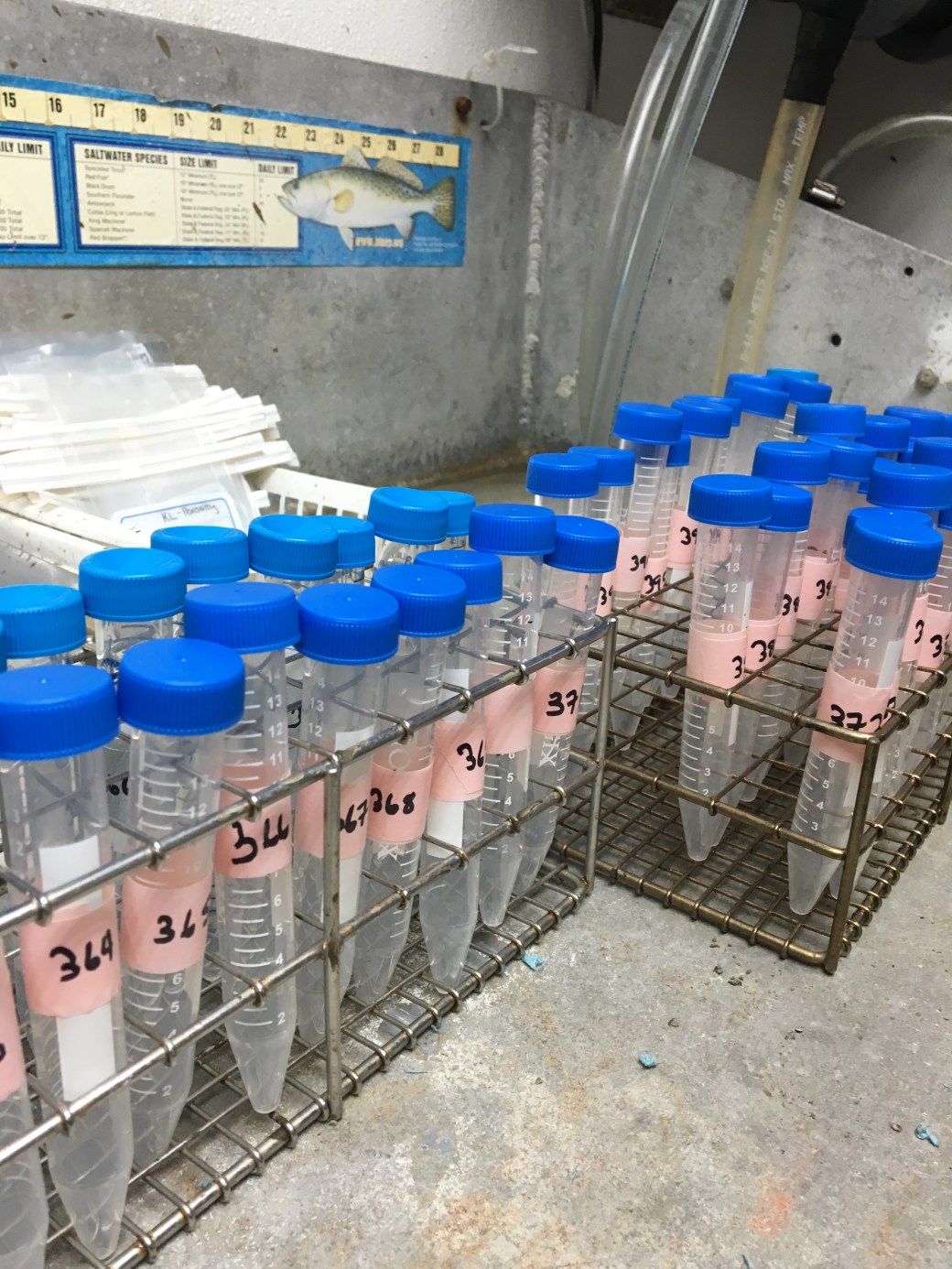
And then there are the samples.  All samples must be accounted for, logged correctly, and be consistent across multiple labs.  That takes time and planning, and labeling of hundreds of sample vials in the months before the cruise, and diligence during our sampling activity.
IMG_3475

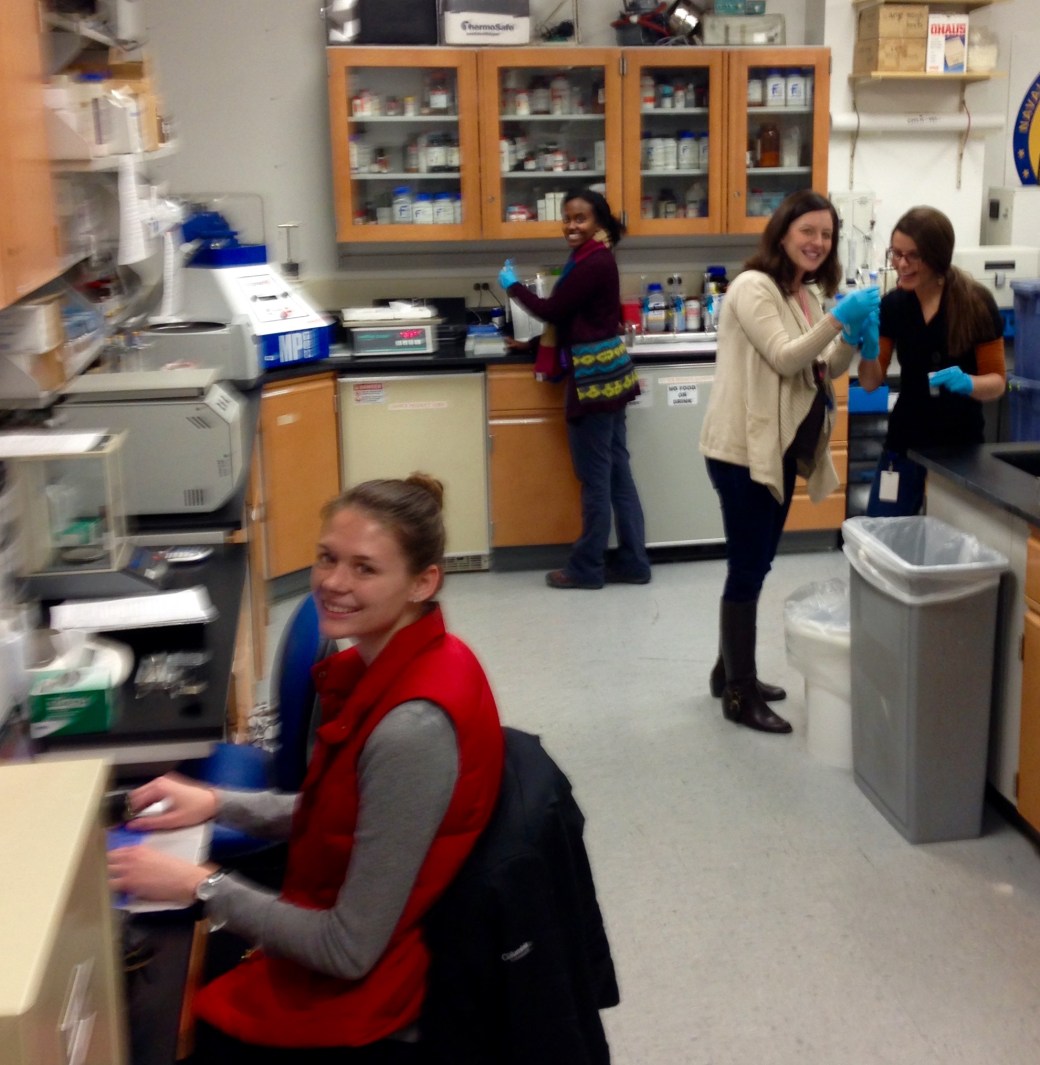
The fatigue factor is minimized by per-labeling and staging of all work areas. 

Finally, the fatigue factor, which is difficult to calculate, but is a known constant.  We do all we can with our planning on the numbers to make that factor as small as possible.

By my estimate, we are in the black with the numbers game, thanks to planning, practice, and teamwork.

Leila H

First Day at Sea

Yesterday was our first full day out at sea. After a day of organizing and unpacking the lab, we were excited to get some sediment on deck. We started early with water collection and filtering, which was followed shortly by collection of sediment. So far we have managed three multi-core deployments (an instrument that collects sediment cores). The multi-core brought us up some seriously picturesque cores. On top of that, turn over was quick and efficient. Which is all thanks to the wonderful crew of the R/V Pelican. Three multi-cores in a day wouldn’t be possible without the fine men and women of LUMCON.

Unfortunately seas were pretty rough at some points of our day. We were being tossed around in 6+ foot waves. Much of the science party, including myself, felt the unsettling effects of sea sickness during the brute of it. Luckily we were able to bear through and process our samples.

All in all it was a great day for science and the GOM-SCHEMA. We are looking forward to the next 6 days of sample collection.

Stay with us for more updates from various members of the crew and science party.

Zeima K

Anchors Aweigh!

This slideshow requires JavaScript.

HamdanLab is all set to cruise on out to the Gulf of Mexico for the 2016 GOM-SCHEMA sampling season. Vials are labeled, shipping crates are packed, and hands are itching to collect and process gulf sediment and water samples. This years cruise is  exciting because we have three novice sailers joining us. HamdanLab’s valued undergraduates, Matthew Johnson, Beth Haley, and Sarah Brown will be lending a helping hand in collecting and processing samples. We couldn’t be more excited to show them the ropes. We even have the honor of being accompanied by a very experienced sailor and scientist, Dr. Robert Jonas. Dr. Jonas is not only a accomplished scientist but also holds the position as George Mason University’s Environmental Science and Policy’s Department Chair. Our enthusiasm and appreciation for our growing science party further engenders our excitement for this years cruise.

Stay tuned this week to read field blog updates about the cruise from our undergrads and more.

Best,

Zeima K


“A single leaf working alone provides no shade.” ~Chuck Page

As we prepare for our upcoming cruise, it is hard not to notice all the different people and roles that come together to bring GOM-SCHEMA to life. The help we receive every step of the way is extremely appreciated and taken into consideration. So we just wanted to take a moment to give thanks to those important key figures we rely on.

FullSizeRender

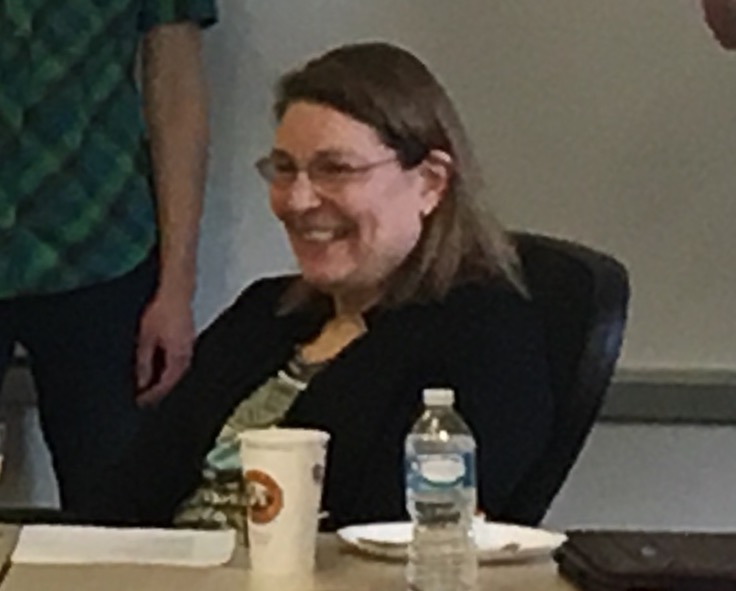
Roslyn Cress is the Environmental Science and Policy Department’s Financial and Grant Analyst, as well as a huge asset to HamdanLab. Without her, our purchasing process would be a nightmare. On top of being delightfully charming she is thorough and steadfast in her work. We thank you immensely for your time and commitment to Hamdan Lab.

20160503_100435imagejpeg_0


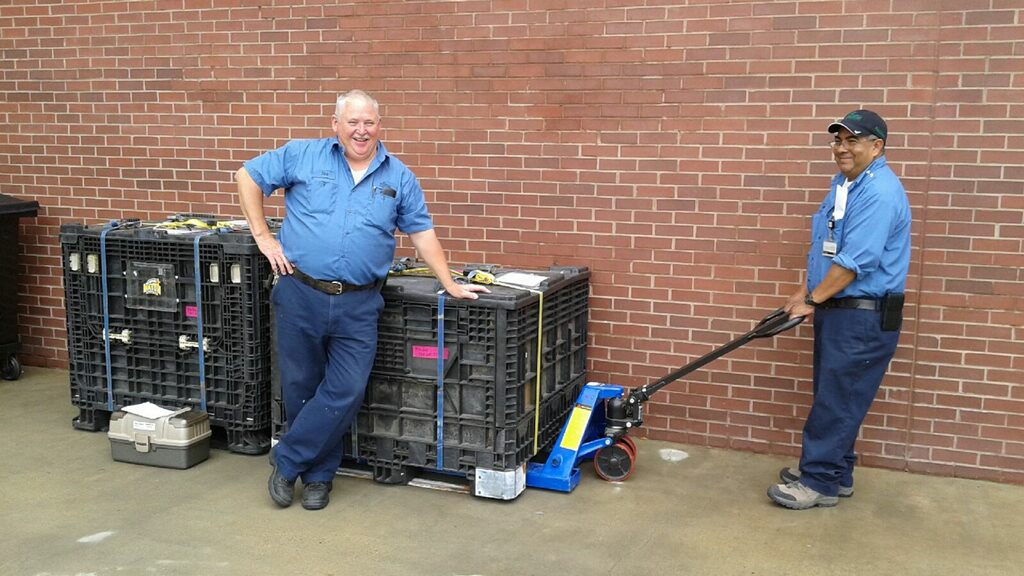
Rick Smith and Nelson Granados of GMU’s Science and Tech Campus Facilities are shining beacons of teamwork and benevolence. Moving shipping crates down four floors and to the loading dock isn’t an easy task. Without their helping hands, I don’t doubt a few backs would have been thrown out. Thank you so very much for your kindness and help.


IMG_3285

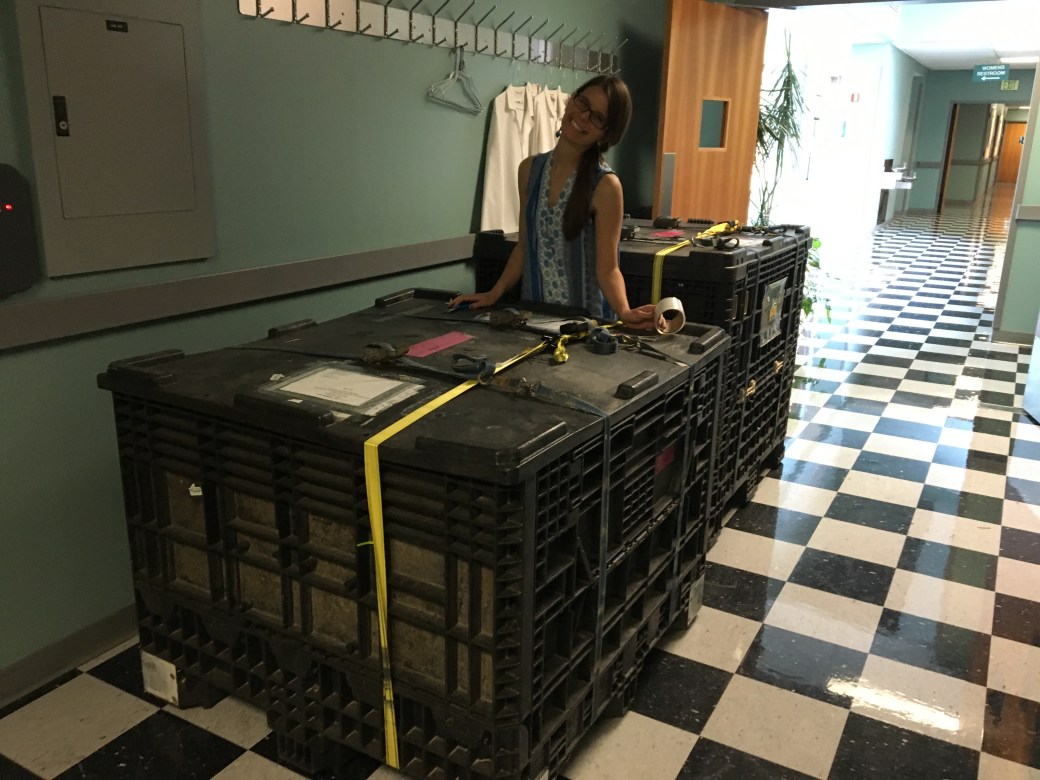
Lastly we would like to thank our lab manager, Fernanda “Phebes” Craig. She has dedicated countless hours to purchasing cruise supplies, organizing the lab, and packing the shipping crates on top of her analytical work towards the science of SCHEMA. Her sunny disposition and willingness to help are extremely valued and appreciated. We are  grateful to have such a wonderful person as our lab manager.


Those who support GOM-SCHEMA and HandamLab are extremely valued and appreciated beyond words. Our gratitude is endless.

Best,

Zeima K

Video Footage of Shipwreck Sites

This slideshow requires JavaScript.

We’ve added new content to the website! With the help of a ROV (remotely operated vehicle), we were able to collect HD footage of the shipwreck sites in the GOM-SCHEMA study. These videos were collected in the Gulf of Mexico during a seven day cruise in July of 2014. We’ve edited a few of the  clips to provide a rare look at these shipwrecks. The video’s shed light on how we collect samples, the types of ships in the study, and provides great examples of artificial reef effect.

In addition we have added a “SCHEMA in the News” tab ,where we have compiled media press on the GOM-SCHEMA study.  Recently, public interest in the study has sparked, which resulted in coverage in local and science news outlets of the findings and great minds behind SCHEMA. Links to individual news outlet coverage will be posted on the new page.

Feel free to check out these clips and news articles under the “Research interest” and “SCHEMA in the news” tabs.

AUG Publishes Article and Video on the GOM-SCHEMA study


Today the American Geophysical Union published an article (link here) describing the GOM-SCHEMA study. The article was coupled with a fantastic video that provides a comprehensive overview of the study. AGU interviewed the study’s Co-PI’s, HamdanLab’s Dr. Leila Hamdan and BOEM’s Dr. Melanie Damour (also narrators the video), as well as Dr. Jennifer Salerno of HamdanLab. Dr. Hamdan and Dr. Salerno are in New Orleans at the moment presenting this study at the 2016 Ocean Sciences Meeting. The meeting was co-organized by the publishers themselves,  the American Geophysical Union, and also by the Association for the Sciences of Limnology and Oceanography and The Oceanography Society. We are all very excited to see interest in the study and the study itself grow.


UPDATE:

We’ve made it into the Washington Post, Times Picayune, Science News, Greenwire, the local NPR station, and a few other media sources. We are beyond ecstatic to get Mason research out there.

We would also like to extend a warm welcome to new friends of the site!


Best,

Hamdan Lab

George Mason University Receives Top Research Ranking

R1 HamdanLab

How you achieve R1 research status. Thanks to the Mason students and researchers who worked to make it happen!

George Mason University recently received the honor of being ranked among the highest research institutions by the Carnegie Classification of Institutions of Higher Education. This ranking was based on the exponential growth in research expenditures at Mason, increasing by $22 million in the last seven years. We are on the list with 115 other elite institutions in the US that have received this ranking. Hamdan Lab is proud to have contributed to the development and recognition of George Mason University. We are reminded daily of Mason’s advancements by the inspiring and innovating work our fellow Mason researchers conduct. Ranked as one of U.S. News & World’s top 10 “Up-and-Coming Institutions”, George Mason’s development is impossible to overlook. The same could be said for Hamdan Lab, which nearly doubled its number of members within the last 10 months. Big things are happening for both Mason and Hamdan Lab, and we couldn’t be more excited to be a participating affiliate of this new ranking.

It’s a great day to be a Patriot!

Zeima K


Hamdan Lab Presents Research in Portland at 2015 CERF Conference

This slideshow requires JavaScript.

In November members of HamdanLab took a trip to Portland, Oregon in order to attend the 2015 CERF conference. Our own Dr. Leila Hamdan organized a poetry inspired session entitled “Mud, Macrofauna and Microbes: An Ode to Benthic Organism-abiotic Interactions at Varying Scales”. From our point of view, undergraduates of the lab, the level of preparation preceding the conference was inspiring. Through closed doors, we could often hear certain members of the lab reciting their speeches to an empty room. Those of us who weren’t able to attend the conference were treated to a preview of their polished presentations before their departure. Gathered around the conference room table, we waited to experience a sample of An Ode to Benthic Organisms.  First to speak was Dr. Hamdan, presenting, “Oil Spill Impacts on Artificial Reefs: Implications for Archaeology, Microbial Ecology, and Benthic Ecosystem Monitoring.” It was very exciting to see all the labs work compiled into a tidy comprehensive speech. When we are working on separate components of the project, it’s difficult to imagine where and how they all tie in together. Listening to Dr. Hamdan’s talk really fortified our understanding of GOM-SCHEMA while simultaneously making us proud of our individual contributions. Next up was Dr. Jennifer Salerno with her presentation, “Effects of crude oil and dispersant on microbially-mediated shipwreck corrosion in the Gulf of Mexico.” We all had a hand in assisting Dr. Salerno with her 16-week microcosm experiment. Therefor we were all very delighted to be presented with her findings and commentary. And while we did not have the privilege of listening to Kate Blackwell’s, “A comparison of community composition and metabolic diversity of aqueous, sediment, and Lopheila pertusa microbiomes,” it was undoubtedly as enlightening and fascinating as Ms. Blackwell herself. From what we have been told, the conference went very well and HamdanLab had a successful conference trip.

We were very happy to all be back together for our monthly lab meeting the last Friday before the break. Due to scheduling differences and conferences, it is our only opportunity to see everyone together in the same room. We were bestowed with the opportunity to listen to Kate and Dr. Salerno’s lighting talks about their research. Kate presented first, enlightening us on the progress and future of her masters research. It was a great talk that thoroughly explained her studies. We are all very proud of her hard work and accomplishments. Dr. Salerno ended our meeting with quite possibly the greatest lightning “talk” of the decade. We all sat in wonder and amazement as Dr. Salerno delivered a three-minute poem, rhymes and all, detailing her microcosm experiment. She received a standing ovation from all members of HamdanLab.

With the new semester beginning, we are all looking forward to meeting again this month. Welcome back!


New Study On Dispersant – Microbe Interactions: Let the Science Drive Decision Making

A recent study by the Joye Research Group at University of Georgia, highlighted in The Atlantic, brings fresh attention to the use of chemical dispersant to mitigate oil contamination in the deep ocean.

Members of the Hamdan Lab commented on the work in a review in The Atlantic. This elegant study by Kleindienst and colleagues demonstrates that hydrocarbon degrading microorganisms are really good at their job, because they have evolved over geological time to have layers, upon layers of biodiversity to withstand life in highly a variable and hydrocarbon-containing environment. The paper provides evidence, through microcosm experiments, that their ability to ‘do their job’ where hydrocarbons are concerned, is not improved by chemical dispersant application.  More work like this, including a study in progress by Jennifer Salerno in our lab are needed to help inform environmental decision making.

Microbial biogeography in the Indian Ocean

Members of the Hamdan Lab are currently on board the R/V Roger Revelle, a 273 ft long oceanographic research vessel, operated by the Scripps Institute of Oceanography, for a two week study of off the western coast of Sri Lanka.  The goal of the expedition, organized by scientists from the U.S. Naval Research Laboratory’ Oceanography Division at  Stennis Space Center is to study air-sea interaction in the northern Indian Ocean.  While on board, our lab will collect water samples to study the population structure of microorganisms in Indian Ocean currents to add to our understanding of how ocean currents shape their communities. 

Stay tuned for updates as our expedition continues.

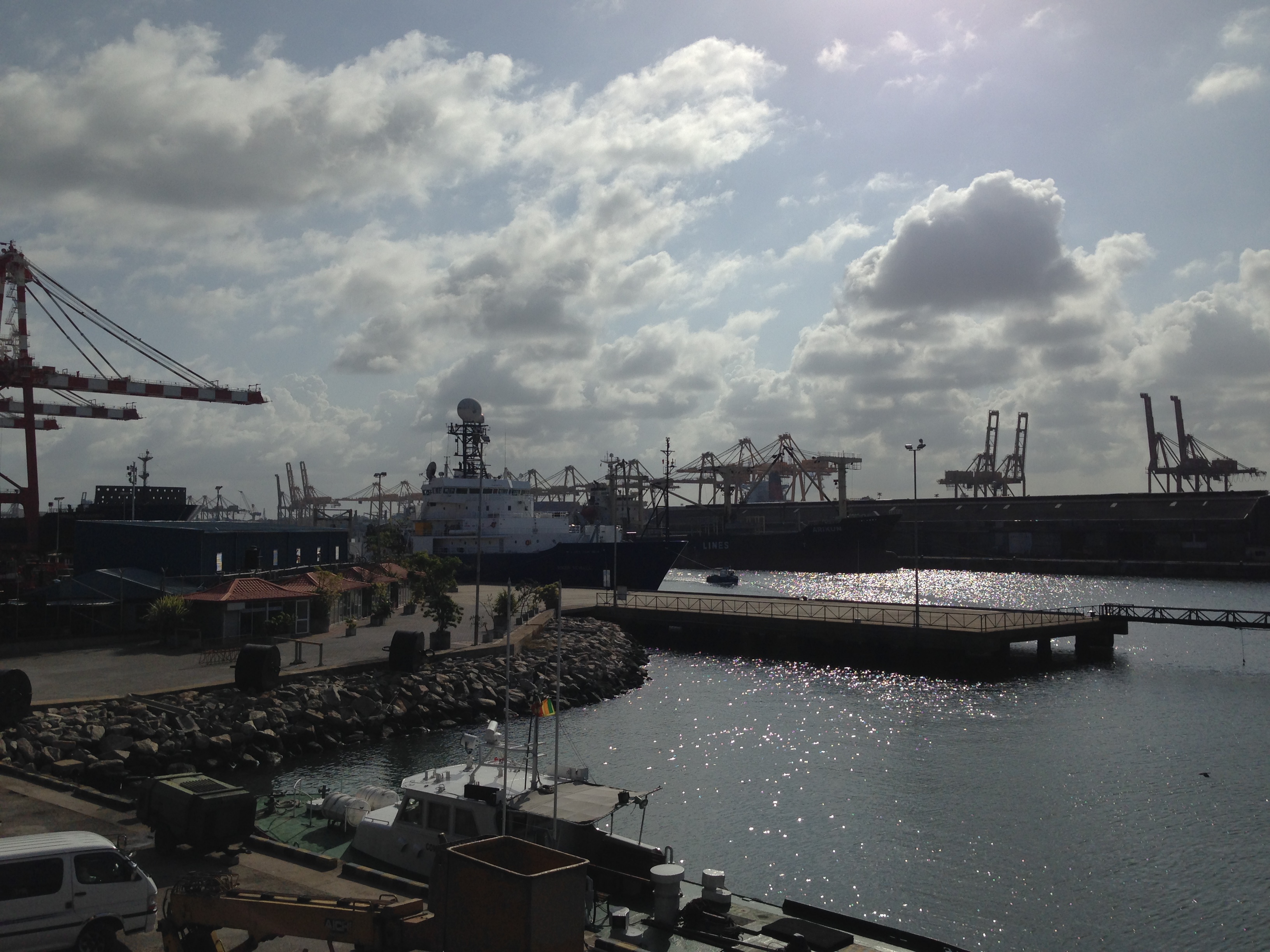
R/V Roger Revelle awaiting the arrival of the science party in the port of Colombo, Sri Lanka

R/V Roger Revelle awaiting the arrival of the science party in the port of Colombo, Sri Lanka